
200mm from the Neighbours: Adroit Monitoring Supports NZ Strong’s Ponsonby Build
Construction on Ponsonby Road, Auckland, alongside heritage buildings, businesses and public access leaves little room for error. Adroit construction monitoring gives NZ Strong a continuous record of noise and vibration as work progresses.
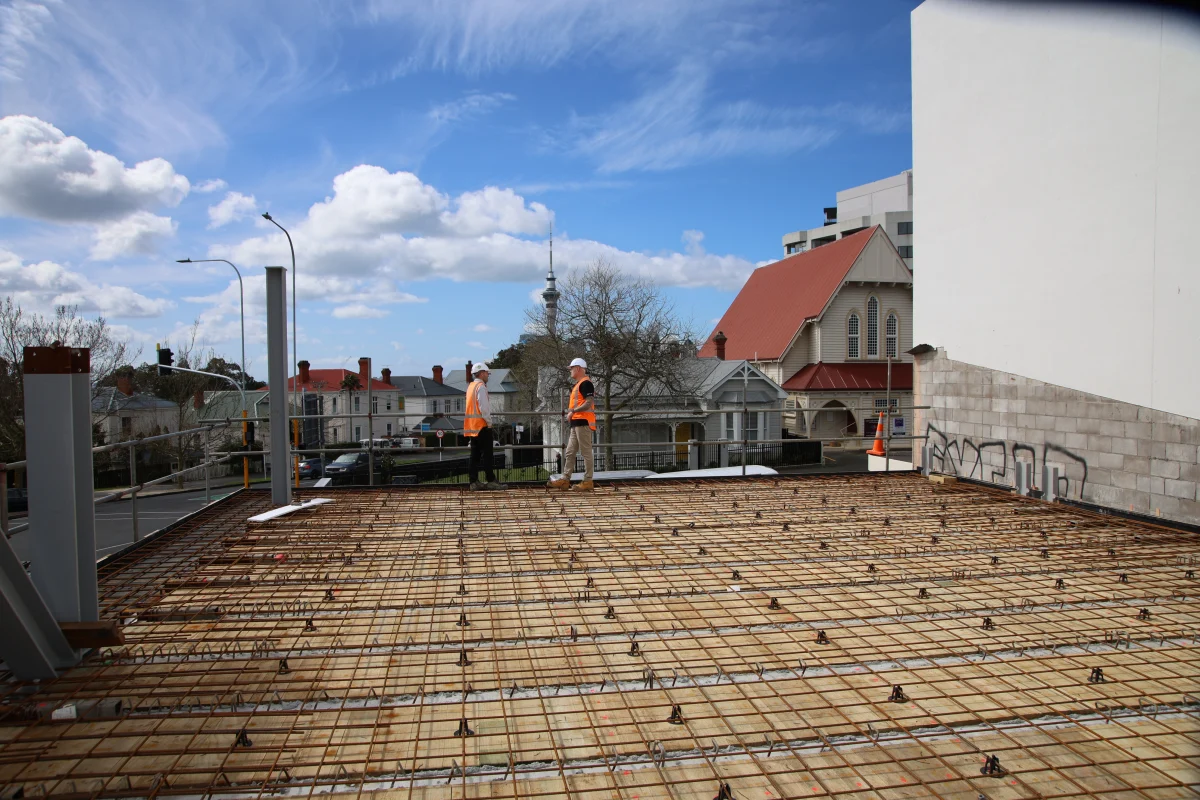
NZ Strong has completed over 100 major projects across Auckland worth more than $1 billion, spanning commercial and retirement developments, schools, infrastructure, data centres, public buildings and historic sites.
The company has built its business around complex commercial construction, often on tight sites and with demanding programmes. The redevelopment at 42 Ponsonby Road is one such project.
Building in Close Quarters
42 Ponsonby Road forms part of the heritage retail strip well known to Aucklanders. Since the 1980s, the area has seen significant gentrification, with older residential and commercial buildings restored or replaced by modern developments.
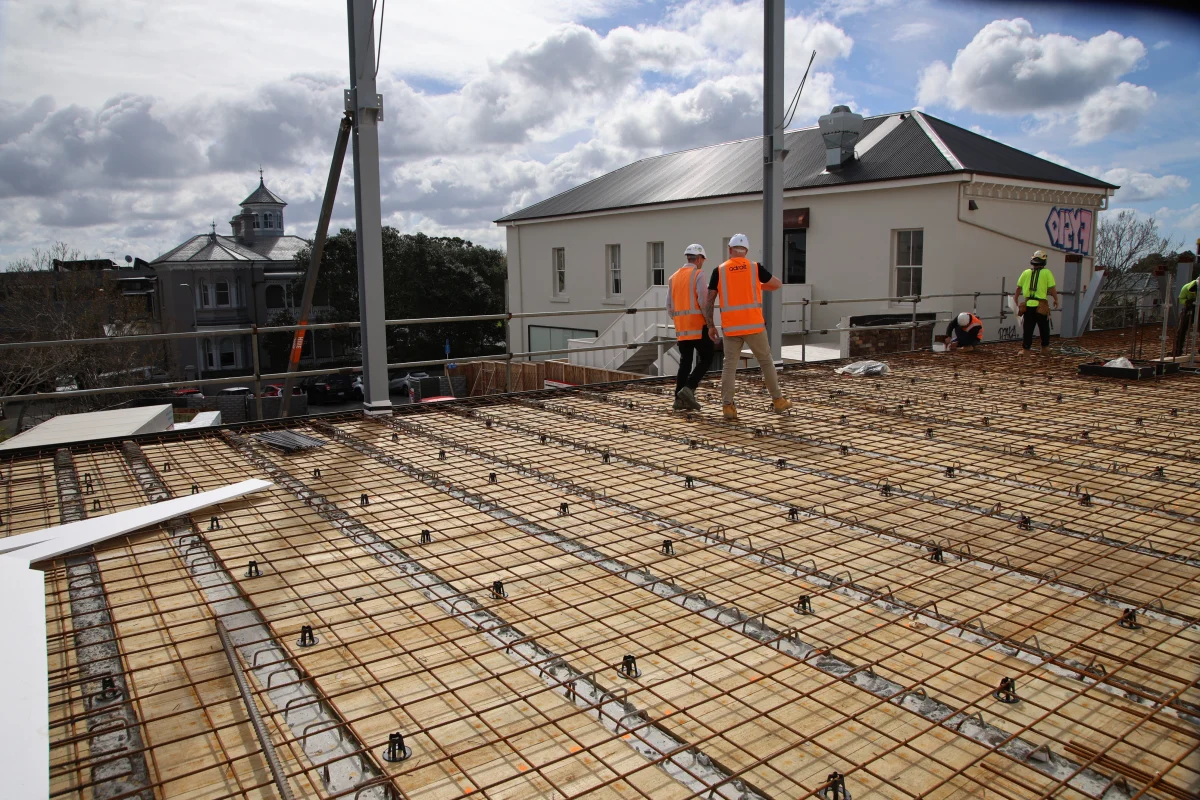
NZ Strong has demolished an existing building that was on the site and is now constructing a four-storey mixed-use development, with retail space at street level and offices above.
On one side, the site boundary is just 200 millimetres from the wall of the neighbouring building. There are also two heritage buildings within the area covered by the project’s resource consent conditions.
NZ Strong Project Manager Joe Cutter says the proximity of those buildings has influenced how the job has been planned from the outset.
“It’s very tight and very close to the neighbouring properties,” Cutter says.
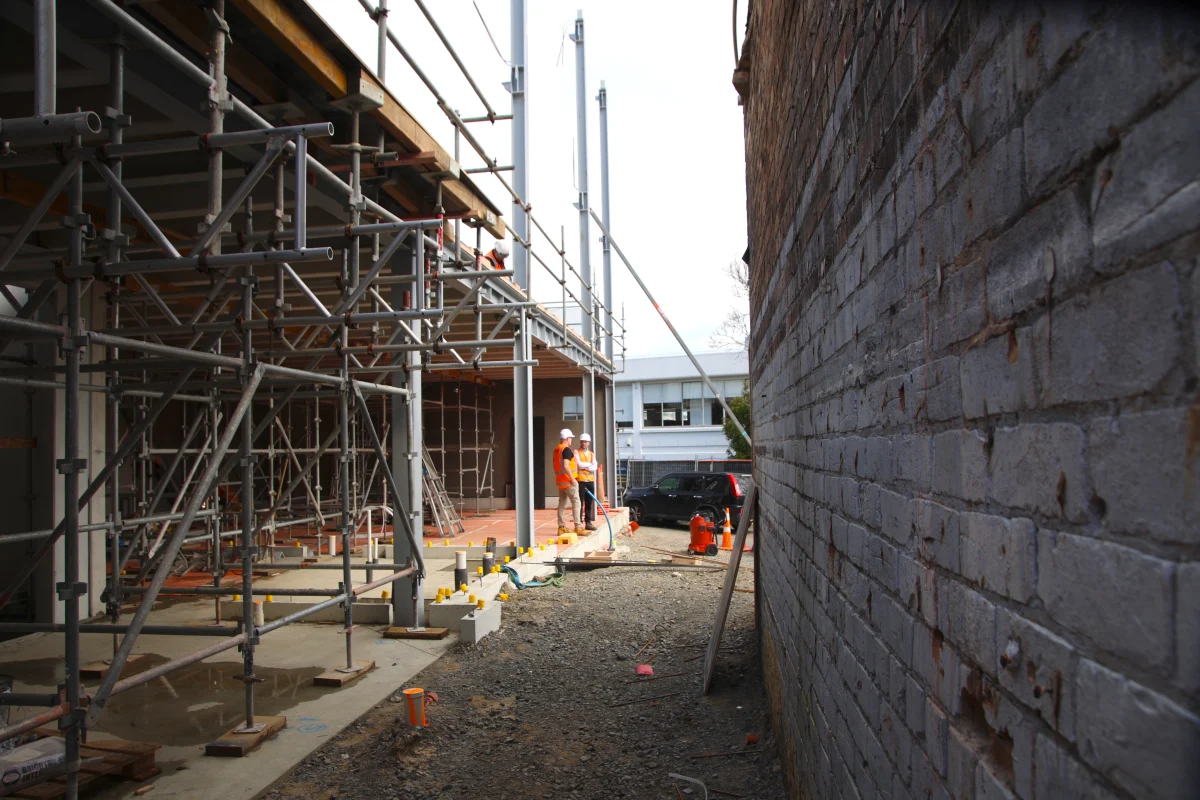
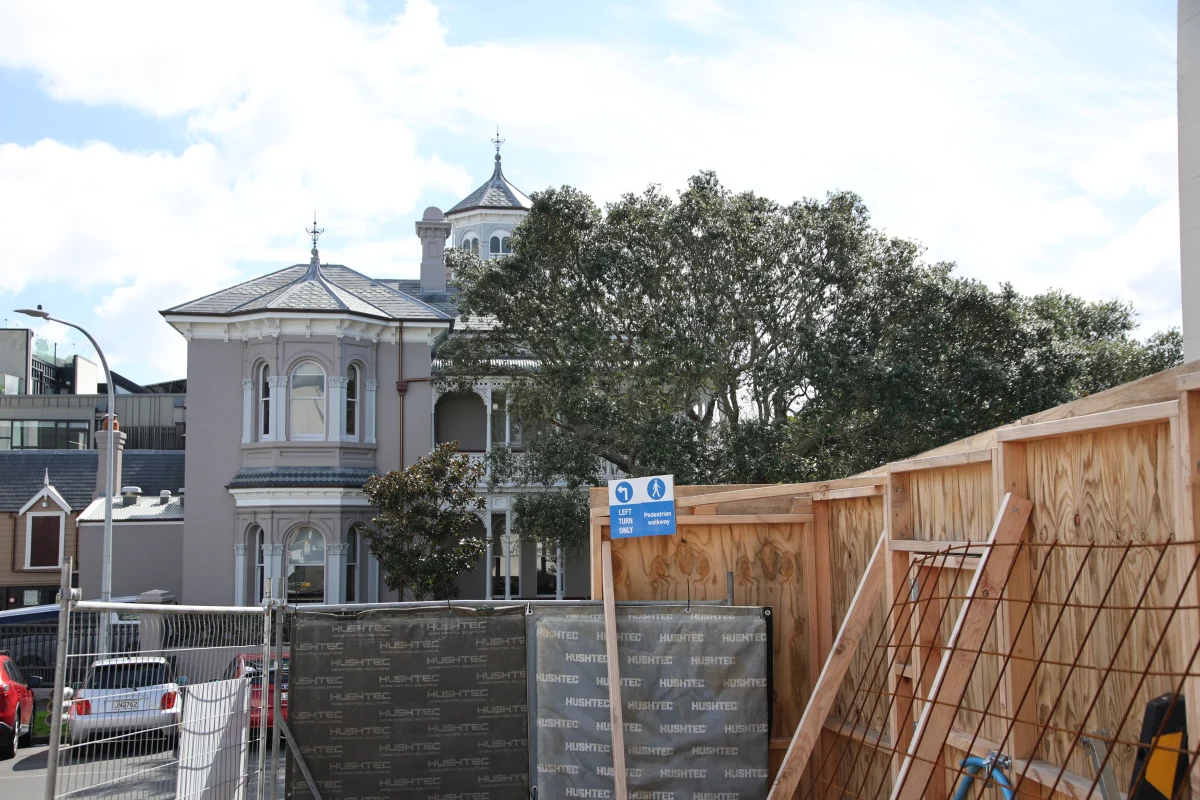
“There’s also another heritage building across the road on Crummer Road, Allendale House, and under the resource consent we have a responsibility to make sure our works don’t affect that building either.”
Demolition, excavation and piling presented the greatest potential for vibration, while construction noise also has to be managed in a busy commercial and residential neighbourhood.
“When we’re doing piling works, demolition or excavation, we need to make sure we’re not impacting those neighbouring buildings,” Cutter says.
We have a responsibility to make sure our works don’t affect that [heritage] building either
Portable Makes Perfect
NZ Strong is using Adroit vibration monitors at three neighbouring buildings, including Allendale House, together with a noise monitor within the construction site.
The units are part of Adroit’s portable monitoring kit (PMK) range, which includes dust, noise and vibration monitoring options. At the Ponsonby Road site, NZ Strong is using a combination of equipment purchased for previous work and additional leased units.
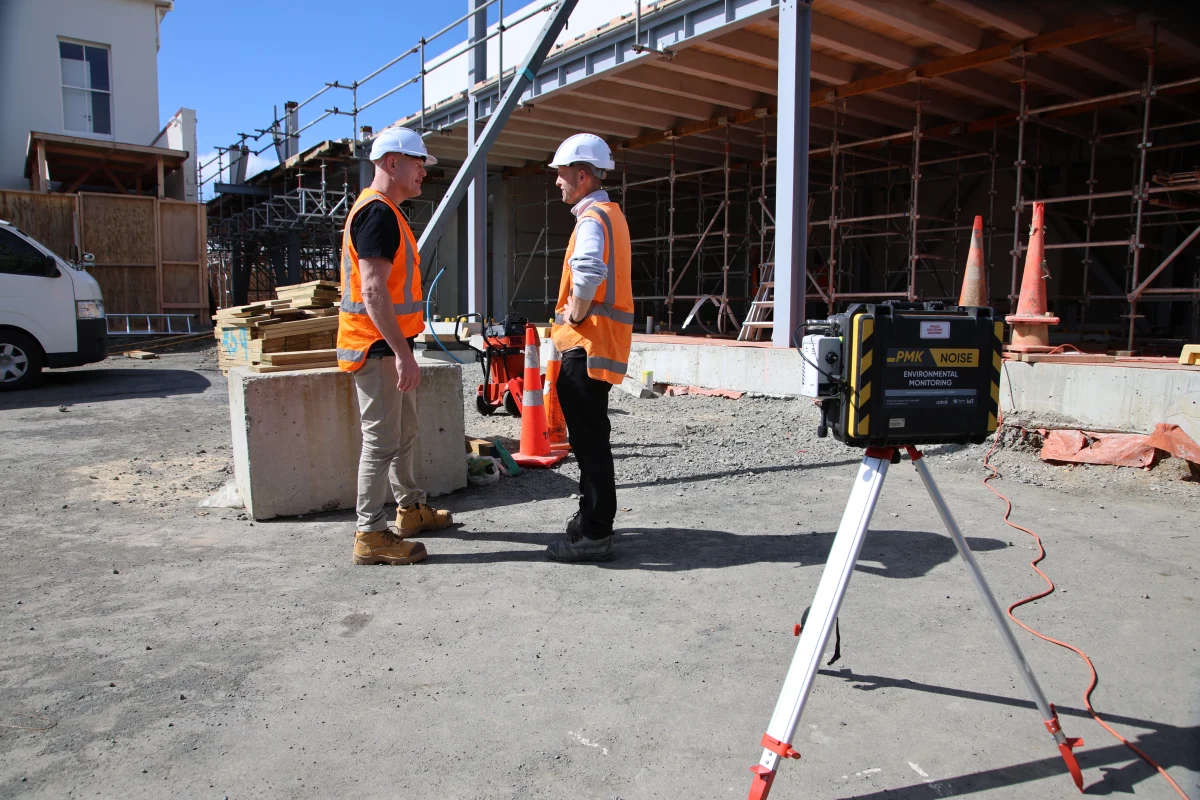
The portable format allows equipment to be redeployed between projects, but it also supports monitoring in fixed positions over longer periods. Rechargeable battery operation provides flexibility where power is unavailable, while mains power can support longer-term deployment. At Ponsonby Road, the Adroit PMKs remain in designated locations rather than being moved repeatedly around the site.
Adroit General Manager Guy Macpherson says the PMK range originated from a request for dust monitoring inside Christchurch Cathedral in late 2022, where neither solar nor mains power was available for the sensors. Adroit first developed the PMK as a portable dust kit, then extended the concept to cover noise and vibration monitoring. Ease of use on construction sites was central to the design.
“It needed to be easy to use for the people on site. Otherwise, it becomes a piece of technology that just gets left in the site office,” he says.
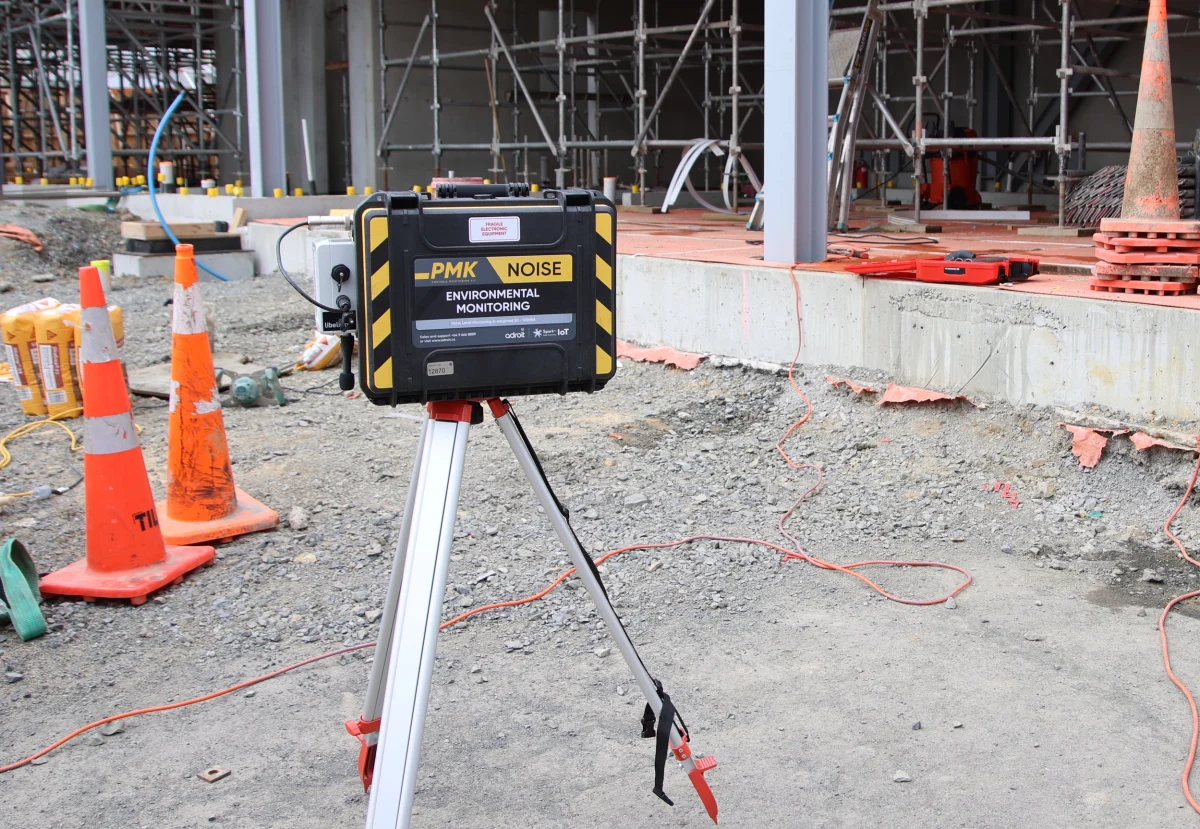
Adroit worked with NZ Strong to position each vibration monitor on a surface that would give a meaningful structural reading.
“They can’t just be placed anywhere,” Cutter says. “They’ve got to be on a flat concrete surface to get an accurate reading.”
“If you put one on grass or soil, that can move just from someone walking past. If you’ve got it on a concrete structure, footing or slab that’s linked to the building, then you’re actually measuring vibration that could have an impact on the building itself.”
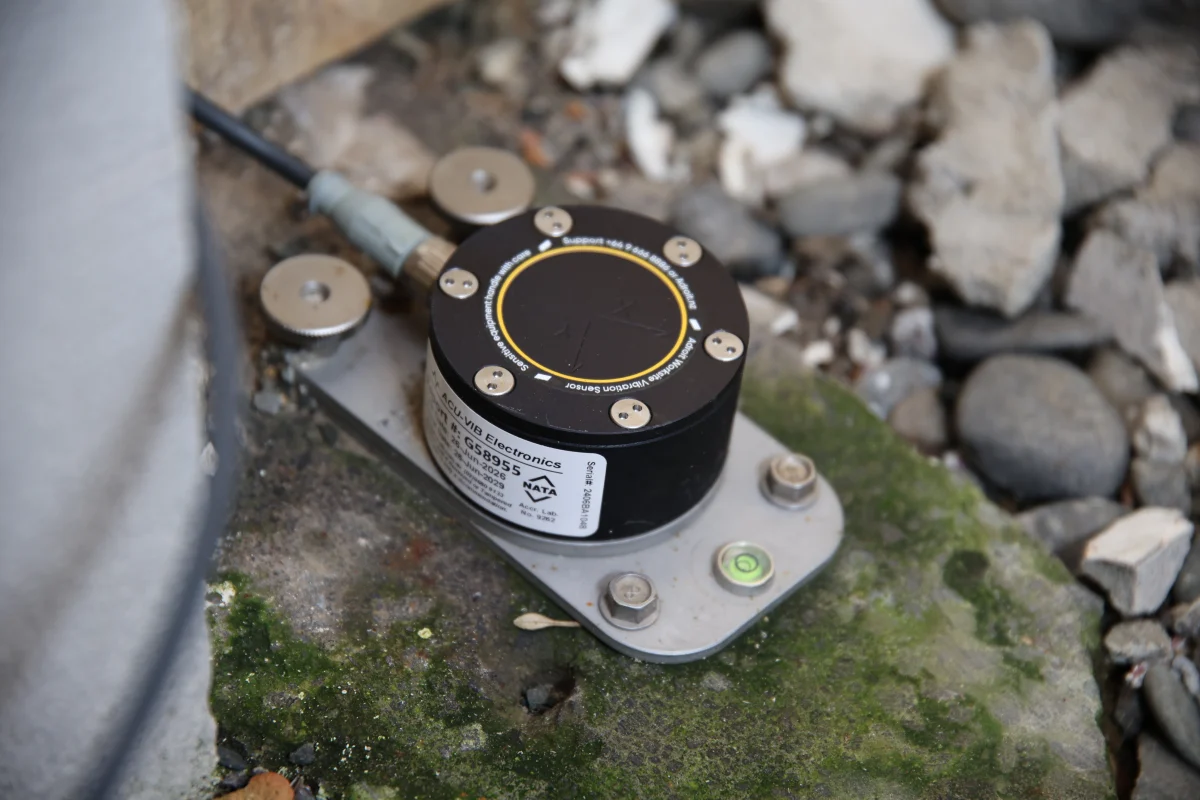
Macpherson says the portable vibration kit uses a sensor verified to the DIN 4150-3 standard, an important consideration when monitoring sensitive neighbouring structures.
“When you’re monitoring heritage buildings, piling and these sorts of things can potentially have a bad outcome if done incorrectly. It’s really important to have trust in the equipment and that it’s going to be giving you the right results.”
Adroit’s equipment provides continuous monitoring data, and conventional survey monitoring points on neighbouring buildings give NZ Strong a separate check for physical movement.
“The vibration monitoring would flag something, and then we’ve got the monitoring points as a physical check as well,” Cutter says.
“It’s another easy way to keep making sure we’re doing things properly.”
The sensors transmit data to the Adroit Platform, where Cutter and Site Manager Jordan can view readings against warning and alert thresholds set for the project. Warning notifications give the team an opportunity to check site activity and respond as readings approach the agreed limits.
“If we go to our warning level, we’ll get an email or a push notification straight away,” Cutter says. “And then we’ve got an alert as well if we were to exceed the consent limit.”
The alert system was also tested unexpectedly when a monitoring unit was moved by someone at a neighbouring property. That generated an alert of extraordinary vibration on the site. NZ Strong checked the Adroit data against site camera footage, identified the cause and confirmed the alert was working as intended.
“It was good confirmation that the alert system worked,” Cutter says.
It’s really important to have trust in the equipment and that it’s going to be giving you the right results.
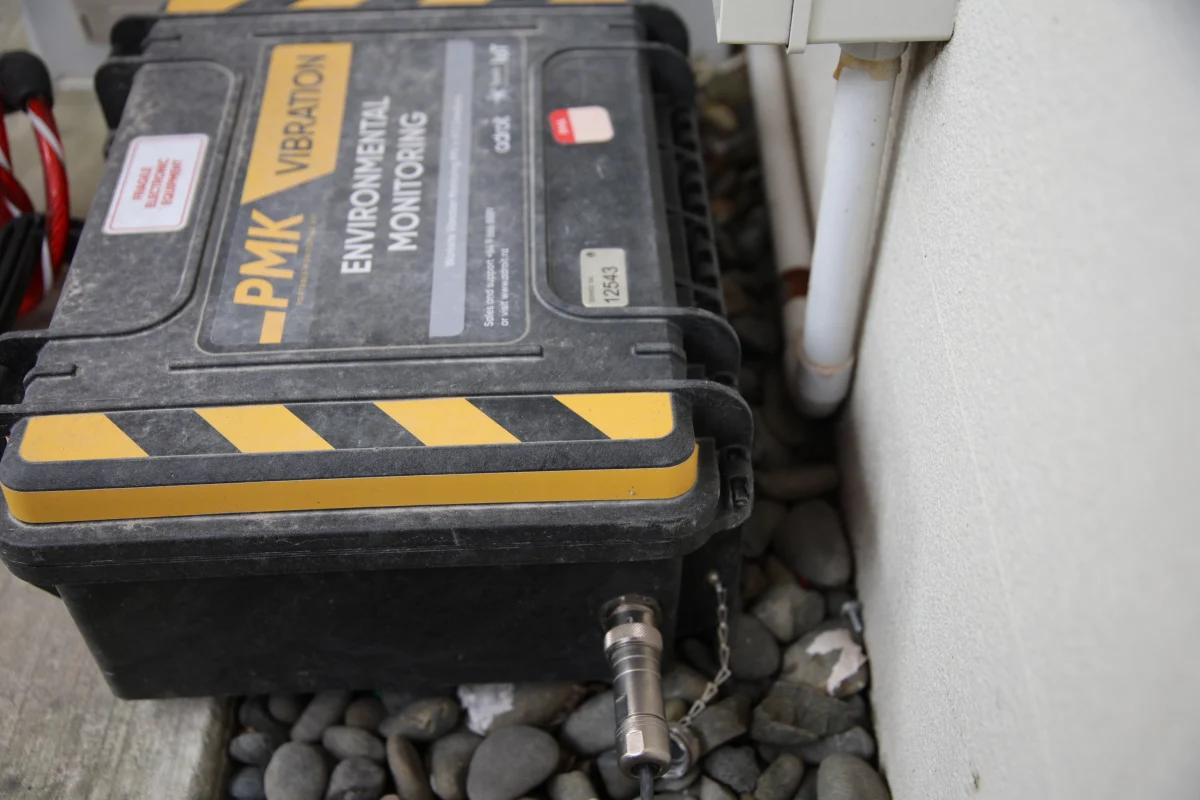
The PMK vibration monitors are left operating when construction stops for the day. That has proved useful on Ponsonby Road, where buses, trucks and other heavy traffic create their own vibration. Monitoring around the clock means NZ Strong can compare construction activity with the normal background conditions of the area.
“We’re on a busy road, so we can get just as much vibration from heavy traffic on Ponsonby Road as we do from some of our construction activity,” Cutter says.
“It’s a good way of showing that during construction hours this is what we’re getting, and then at night-time it might be pretty much the same.
“If we only kept them out during the daytime, it would be quite hard to compare that with what it’s like when we’re not there.”
We can get just as much vibration from heavy traffic on Ponsonby Road as we do from some of our construction activity
Using Data to Adapt Process
Cutter says the monitoring is particularly useful when higher-risk work begins.
During piling, for example, the team could watch the readings during the first few hours and establish how the work was tracking against consent limits rather than waiting to discover there was a problem.
“It’s quite interesting when you start piling works or something that has more potential for vibration or noise,” he says.
“Some things you think are going to be quite close to the threshold, but in reality they’re nowhere near. So it’s good to have that reassurance. If we are getting close to those alert levels, we can say, ‘Let’s find a better way of doing it.’”
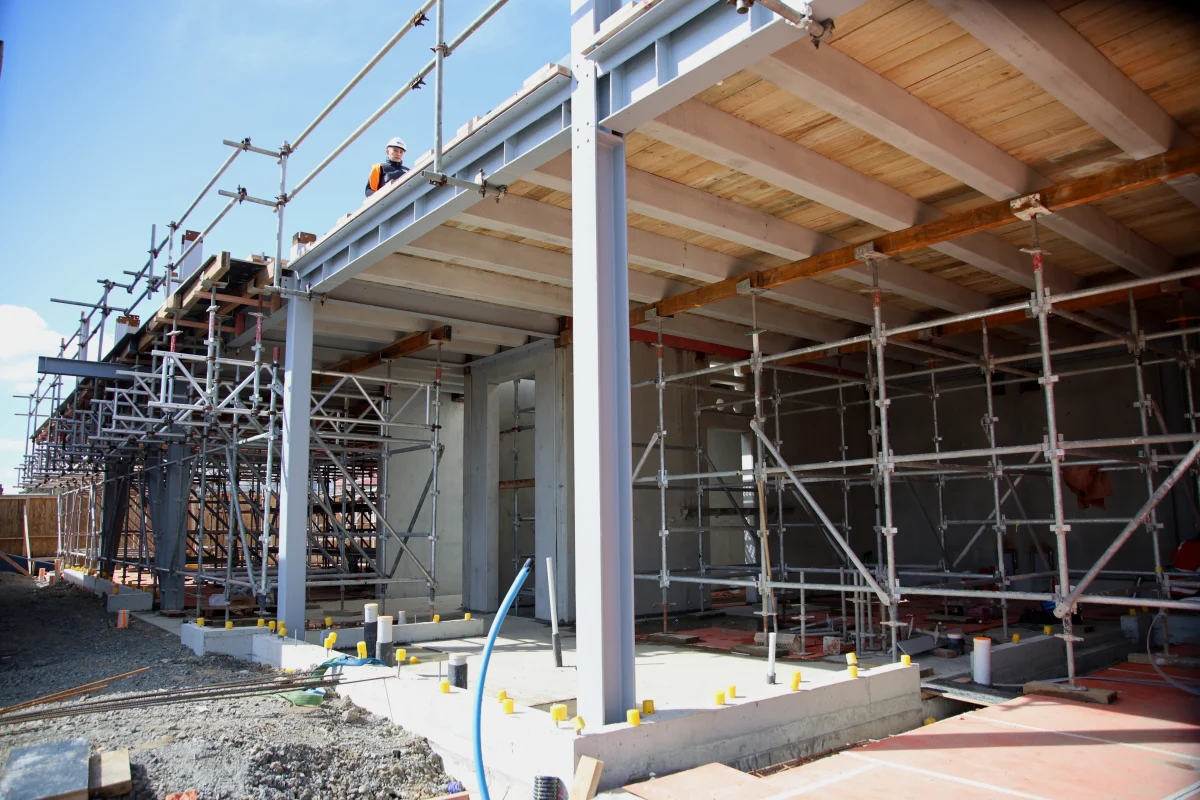
Macpherson says this ability to adjust work as it happens is an important benefit of access to near-real-time vibration readings.
“We’ve got clients using this when they’re piling and they’re actually able to get the data in near real time and then say, “look, we’re approaching the threshold, let’s change our methodology and pile a different way and bring it back down again.”
NZ Strong also chose bored rather than driven piles on the Ponsonby Road site to reduce vibration and disturbance close to neighbouring buildings.
“Our piling was all bored rather than driven because of the vibration and nuisance associated with driven piling,” Cutter says.
“In built up areas, you do make sure you’re doing things the correct way. If you’re in an open field, you haven’t got those same considerations.”
Enabling Conversations
NZ Strong provides neighbouring properties with weekly information about forthcoming work, particularly when an activity is likely to be noisier or more disruptive than usual.
“We’ve been fortunate. The neighbours have been really good,” Cutter says.
“The Allendale people are quite interested in the readings. Now and then they might ask if they can have the vibration monitoring for the last week or so, just so they can see what’s happening. We’re happy to pass that across.
“We also send them weekly reports about what’s coming up and what’s going to be a bit more of a nuisance than other weeks.
“I think people just want to be kept in the know. They get a heads-up that this week is going to be a bit louder than last week, but at least they’re aware.”
To date, Cutter says that there have been no noise or vibration complaints from neighbouring properties.
Macpherson says having a record helps contractors discuss concerns with neighbours on the basis of measured conditions rather than differing perceptions.
“You can change what you think, to what you know.”
If a question is raised, Cutter says the continuous record gives NZ Strong an objective basis for responding.
“It’s nice to be able to say to somebody, ‘Look, here’s our noise over the last week. We’re not exceeding anything.’”
If readings begin to move towards an agreed limit, the team can respond before it becomes a compliance or neighbour issue.
The same information is available if Auckland Council needs to investigate an event or check the project’s compliance. Council compliance staff have visited the site and inspected the monitoring arrangements, while the warning and alert levels have been configured around the project’s consent requirements and noise and vibration management plan.
You can change what you think, to what you know.
Reassurance Through Data
Cutter says the monitoring also gives the team reassurance that work is staying within the conditions set for the site.
“I totally understand having this when we’re this close to neighbouring buildings,” he says. “It gives me reassurance that nothing has happened.”
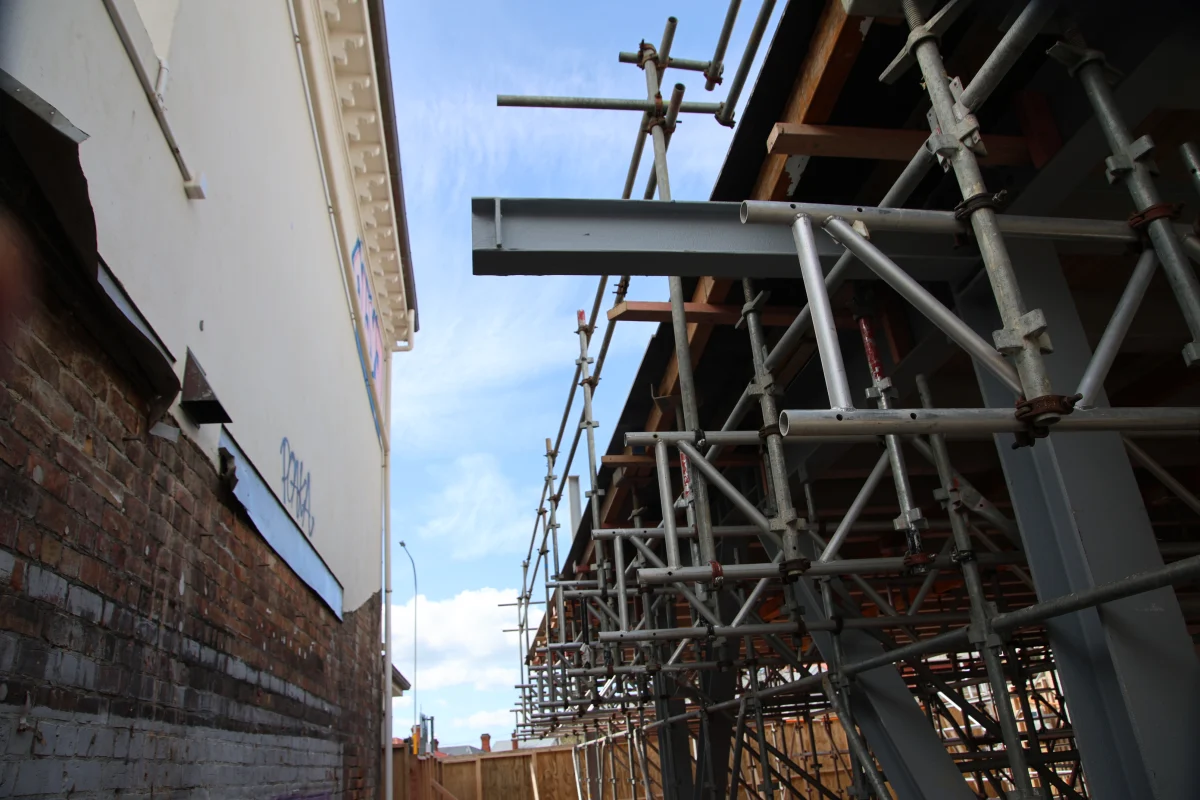
The project has now moved largely out of the ground and the periods of highest vibration risk have passed, although monitoring remains in place in accordance with the resource consent requirements.
For NZ Strong, the technology is not specific to Ponsonby Road. The company has used Adroit monitoring on previous projects, including work at Auckland Airport, and has purchased monitoring equipment for use across its own projects.
“It’s the way things are going now,” Cutter says.